URBAN TAPESTRY
1st Year Masters of Urban Systems
Individual Work
[ Synopsis ]
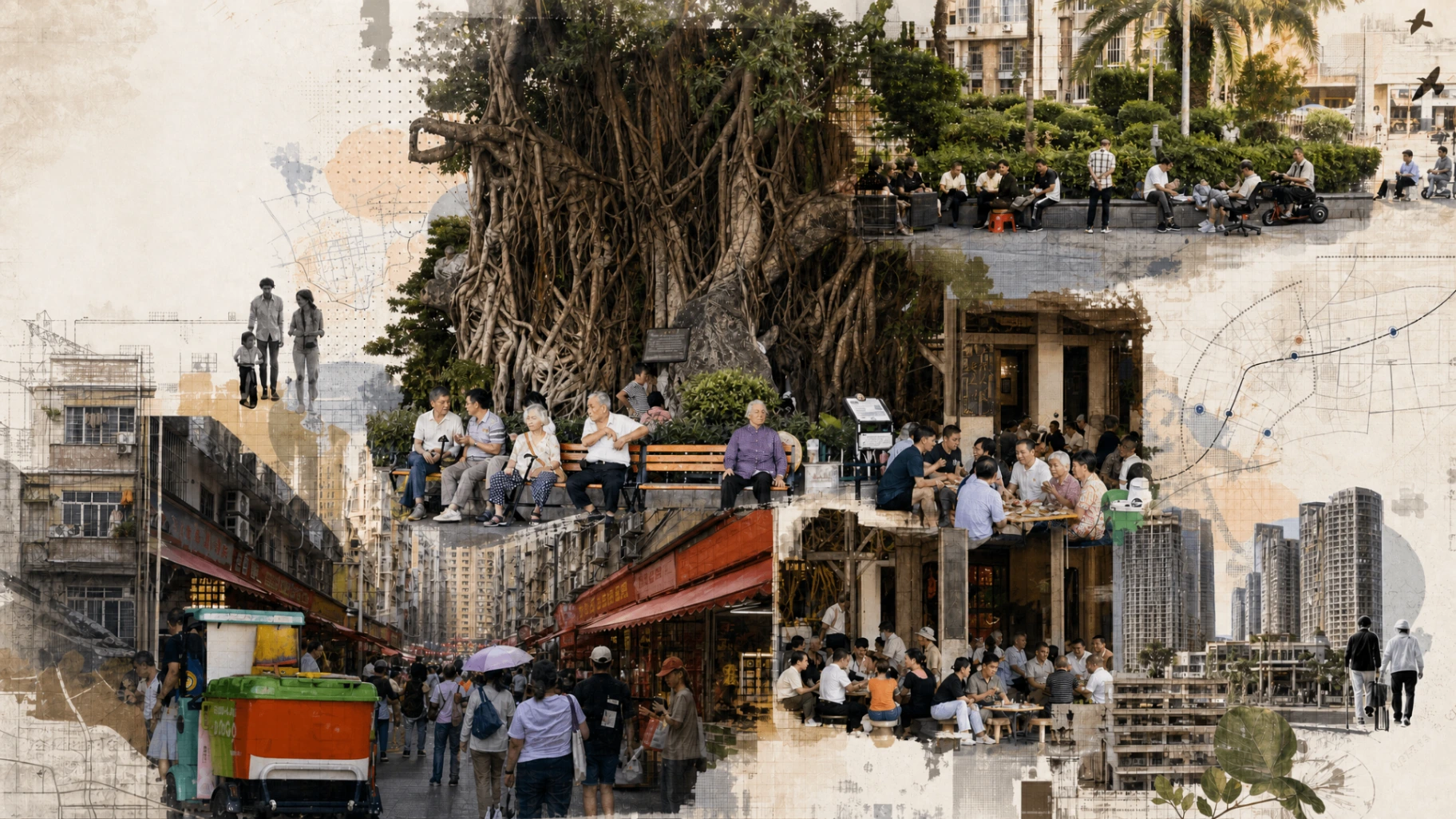
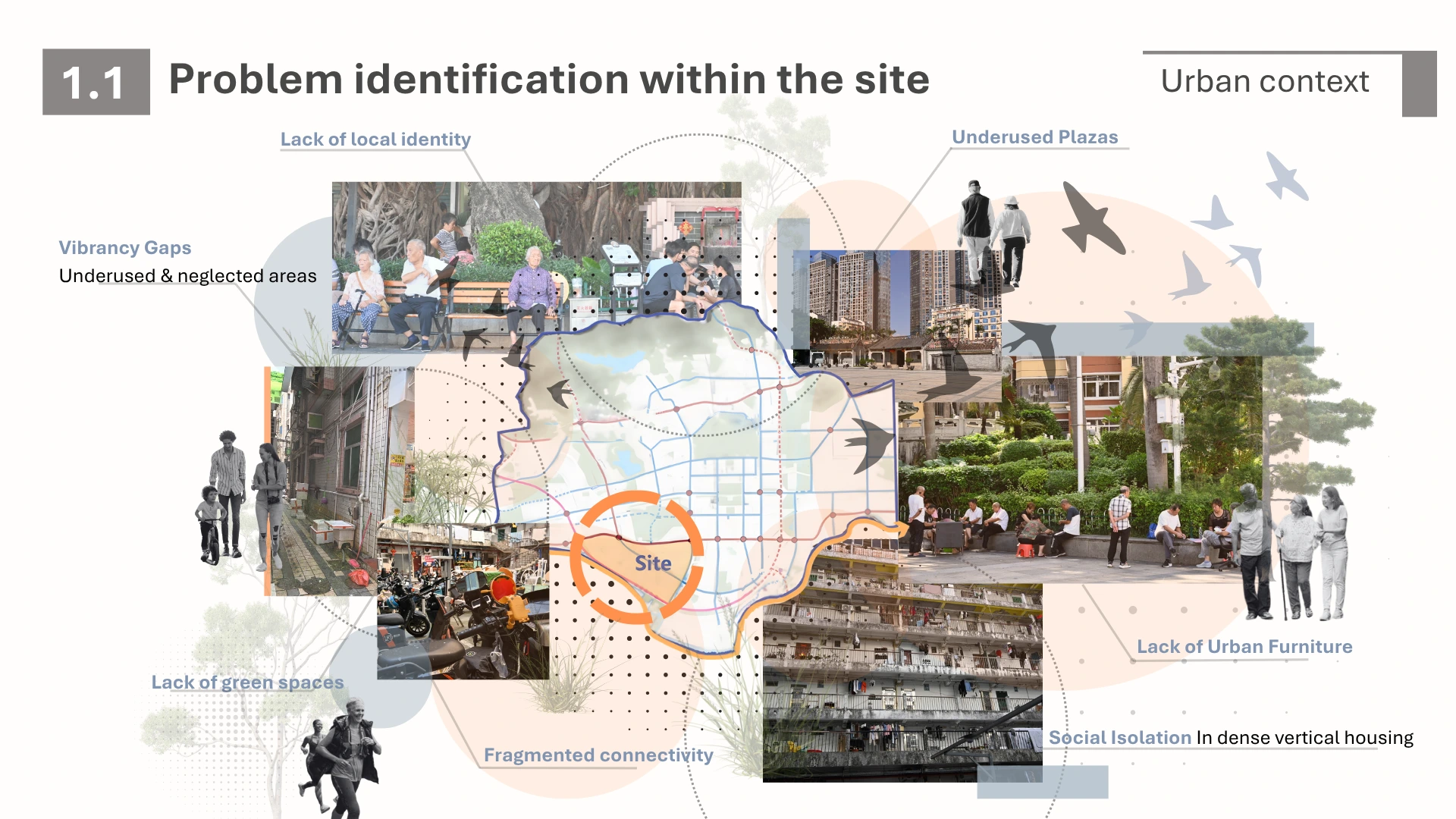
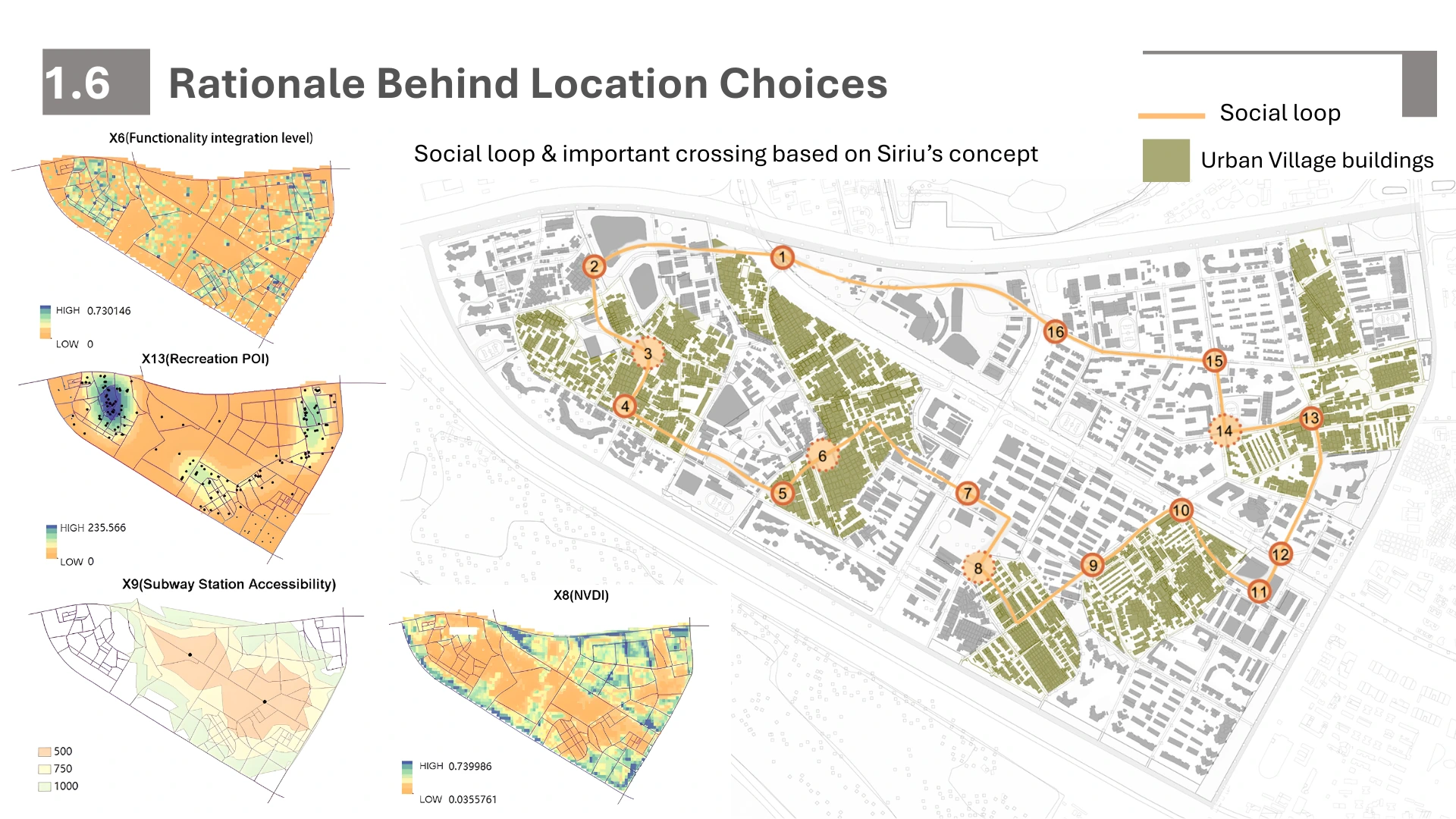
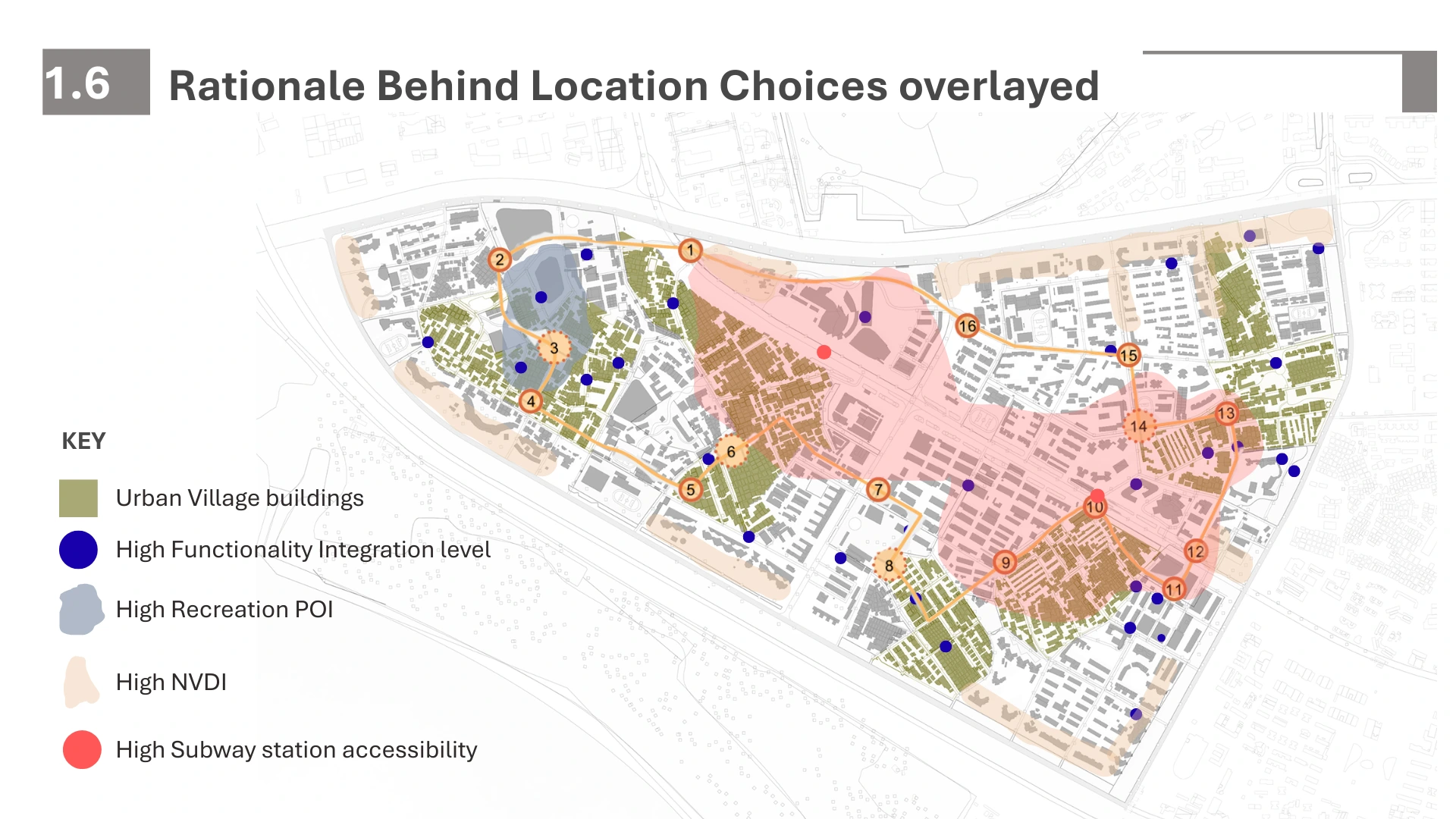
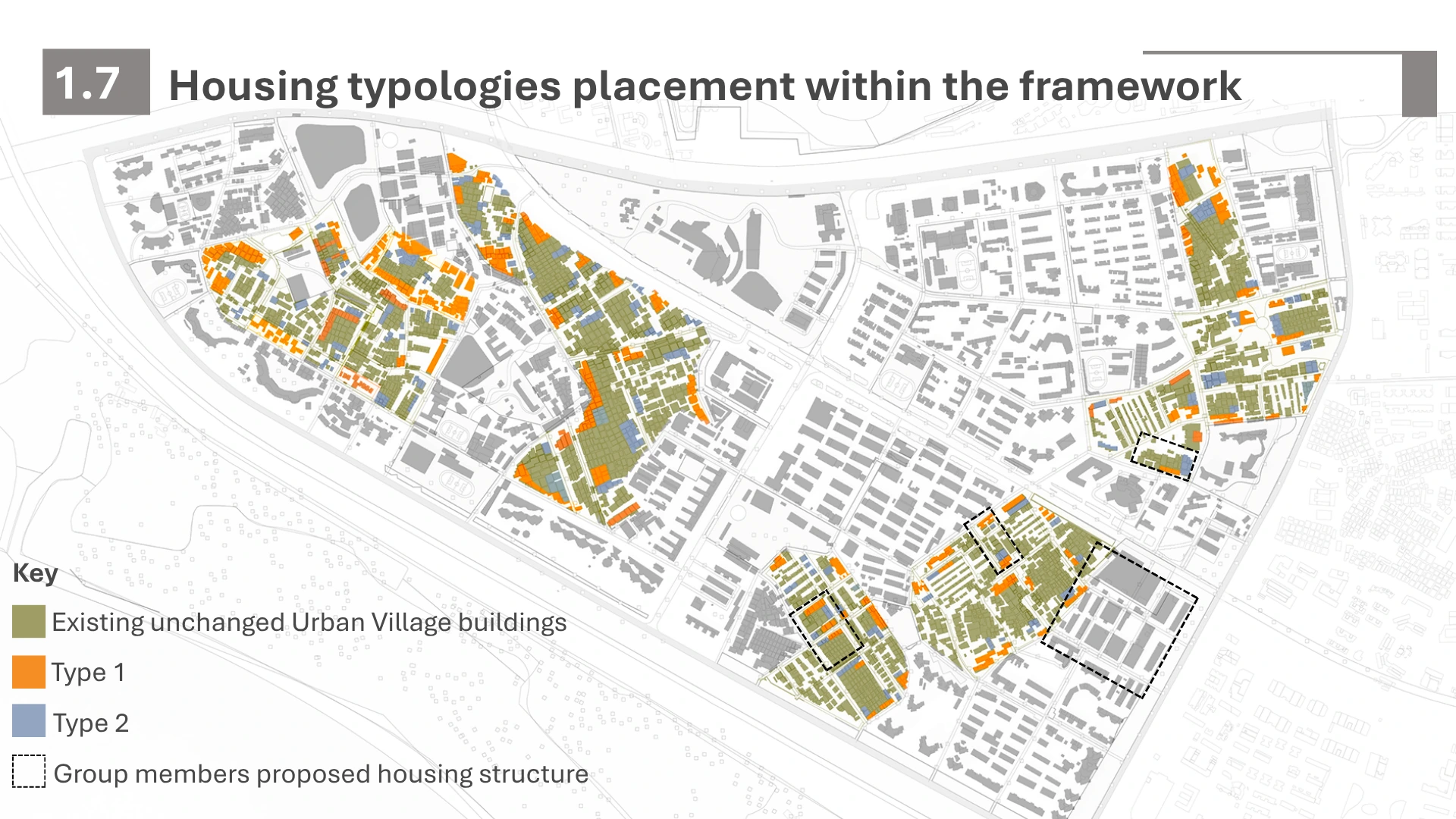
Urban Tapestry reimagines Shenzhen's Shatou District as a connected urban landscape, where public space acts as a catalyst for social cohesion, wellbeing, and urban vitality. While urban village projects often default to demolition and reconstruction, this proposal takes a different approach: leveraging the existing environment to enhance the lives of those already living there.
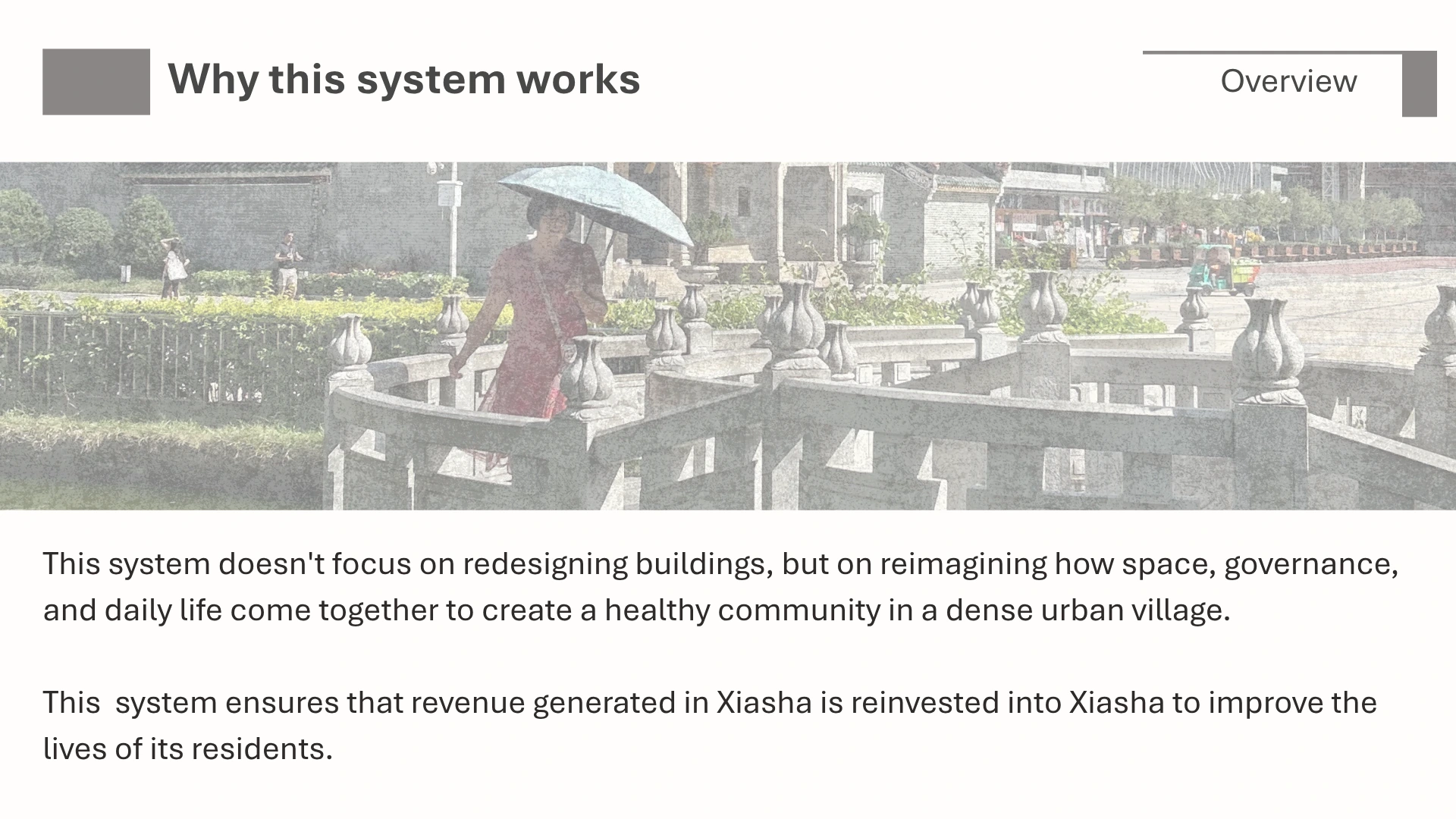
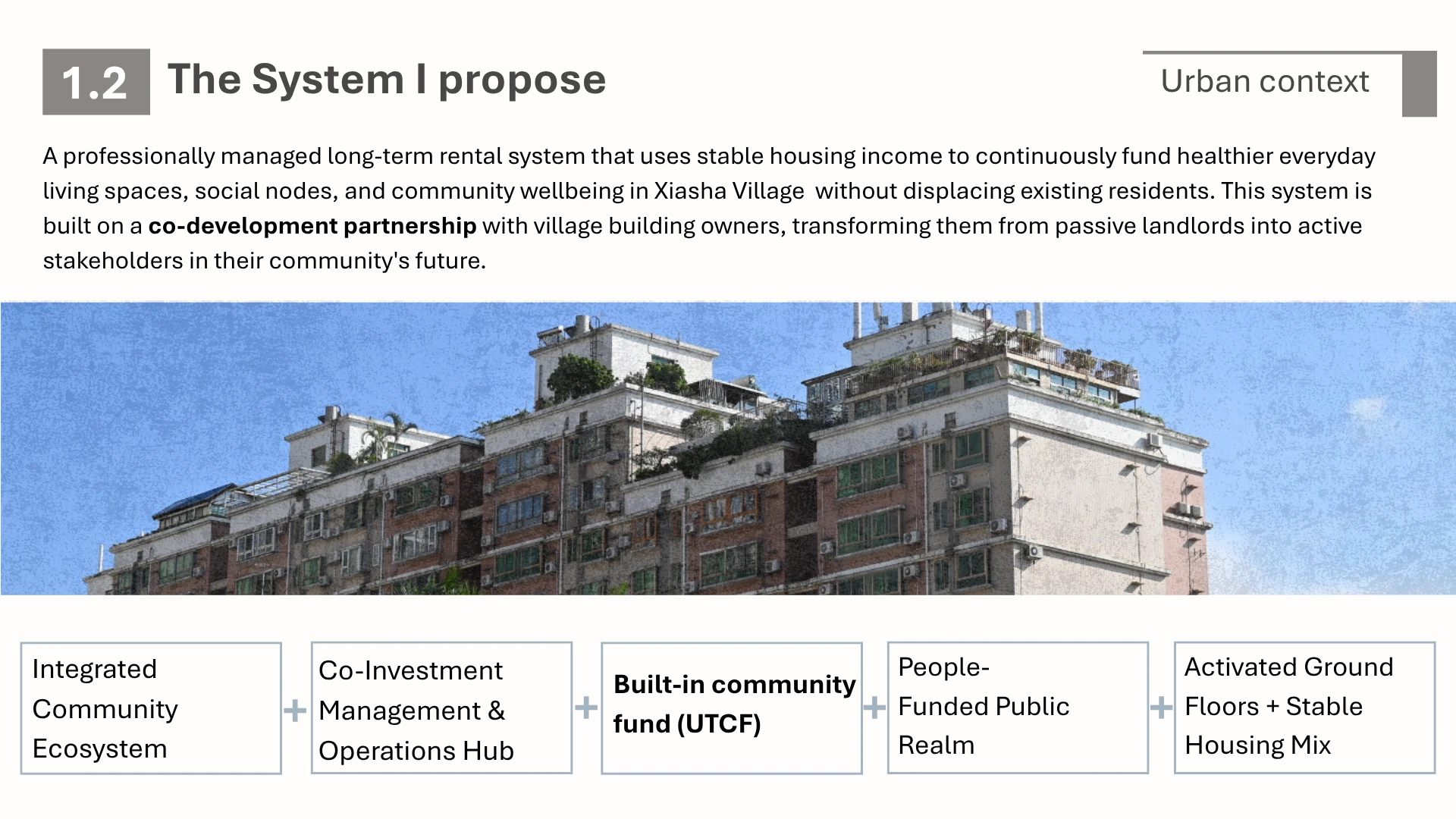
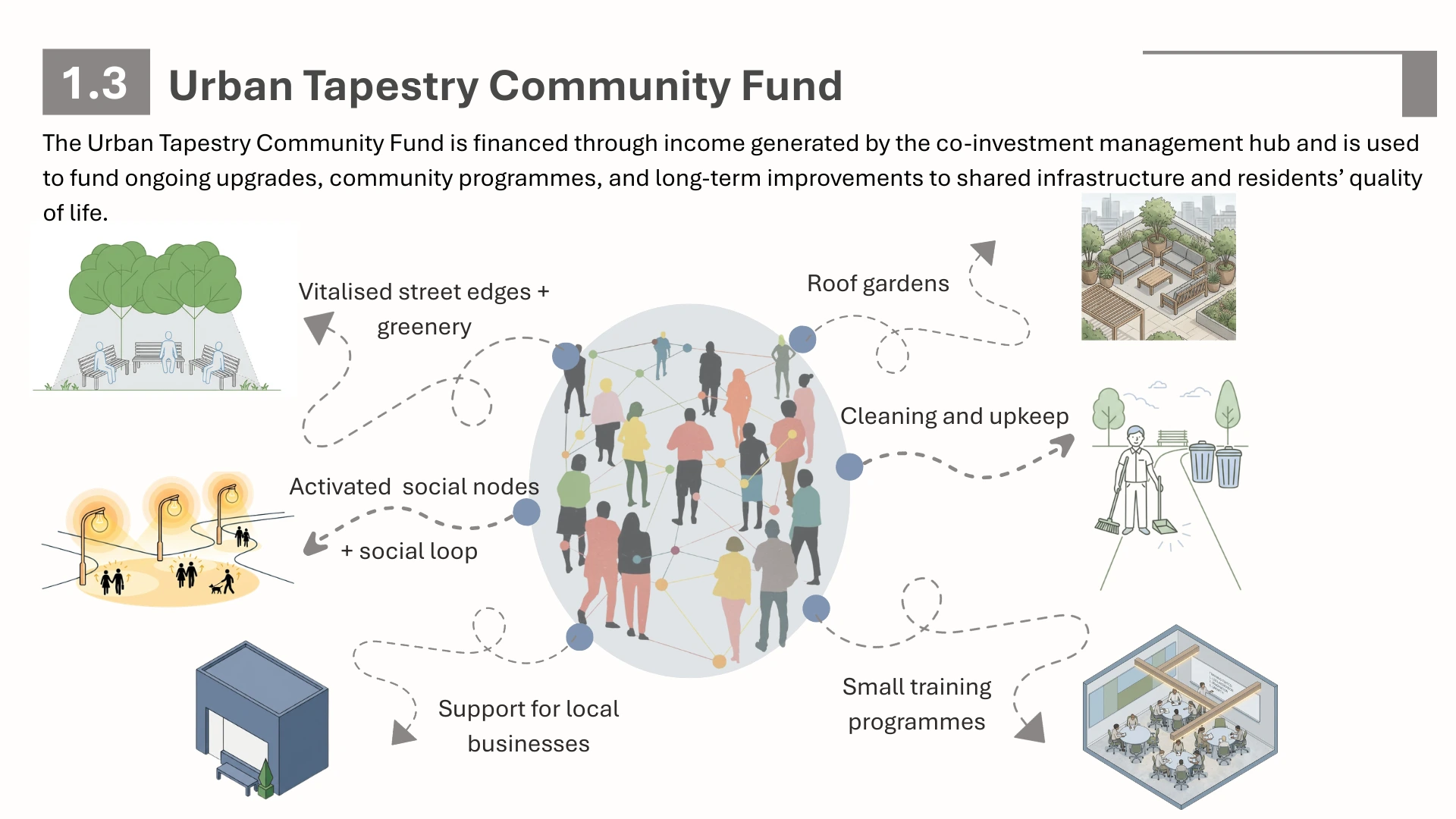
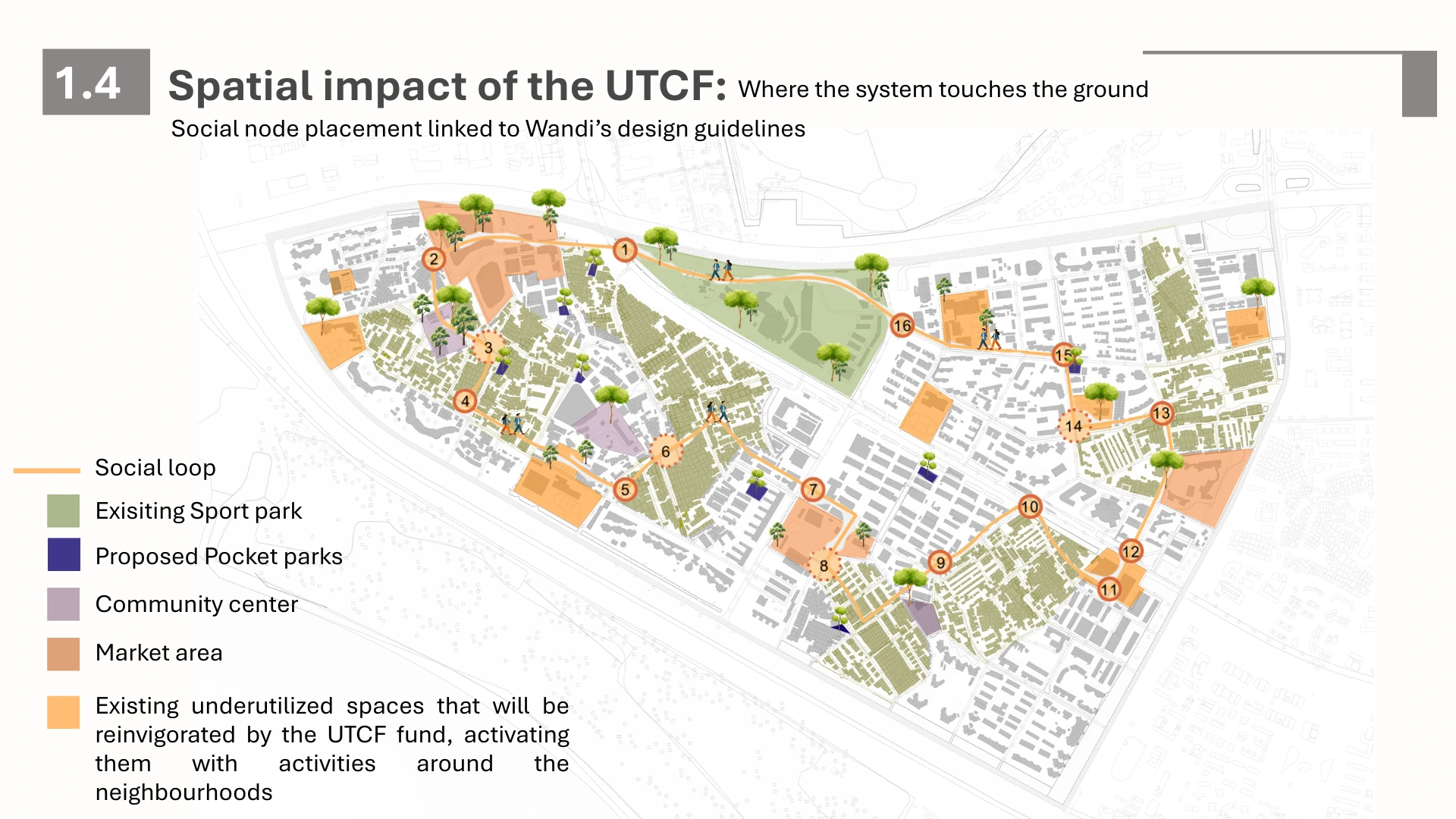
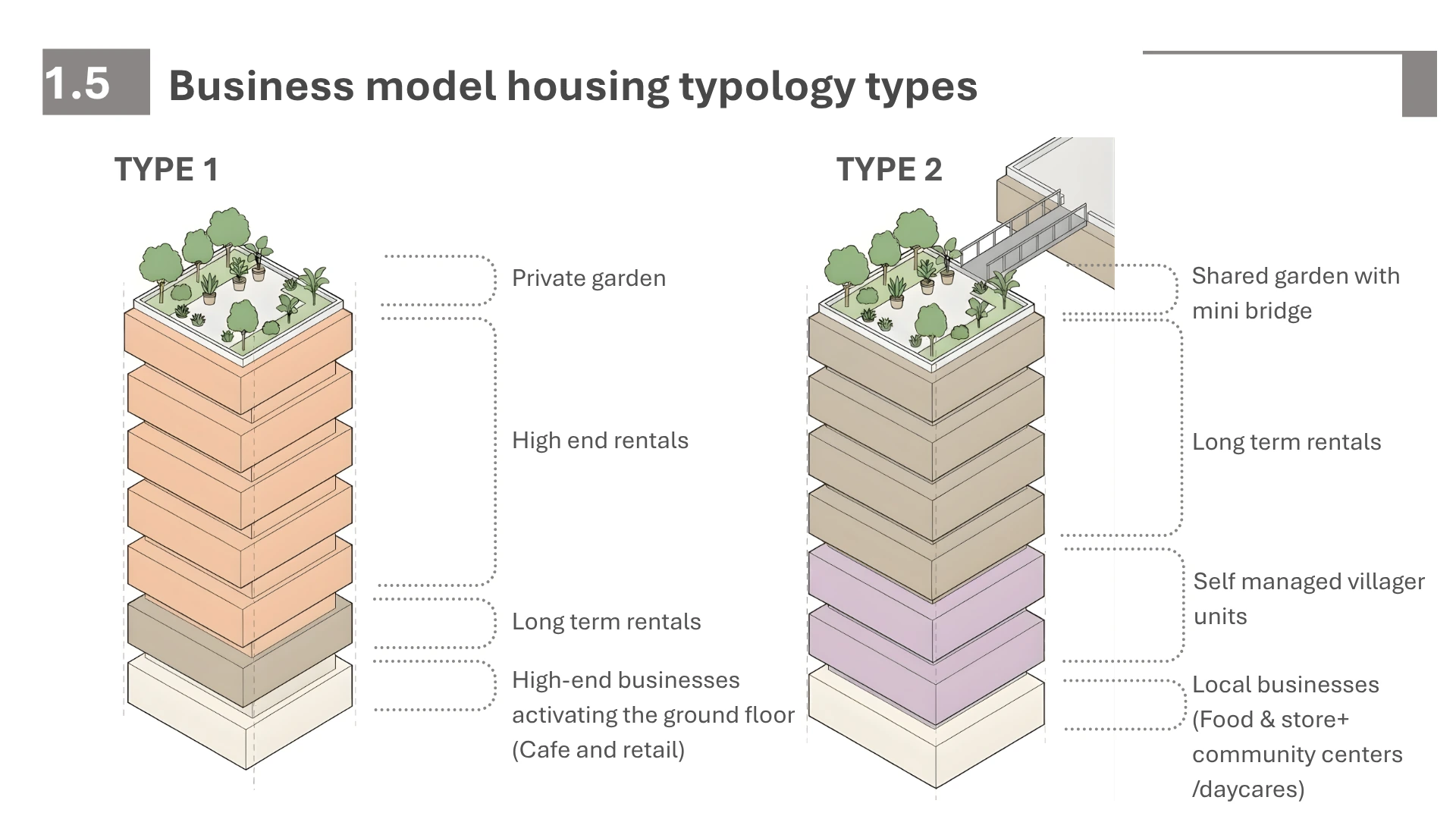
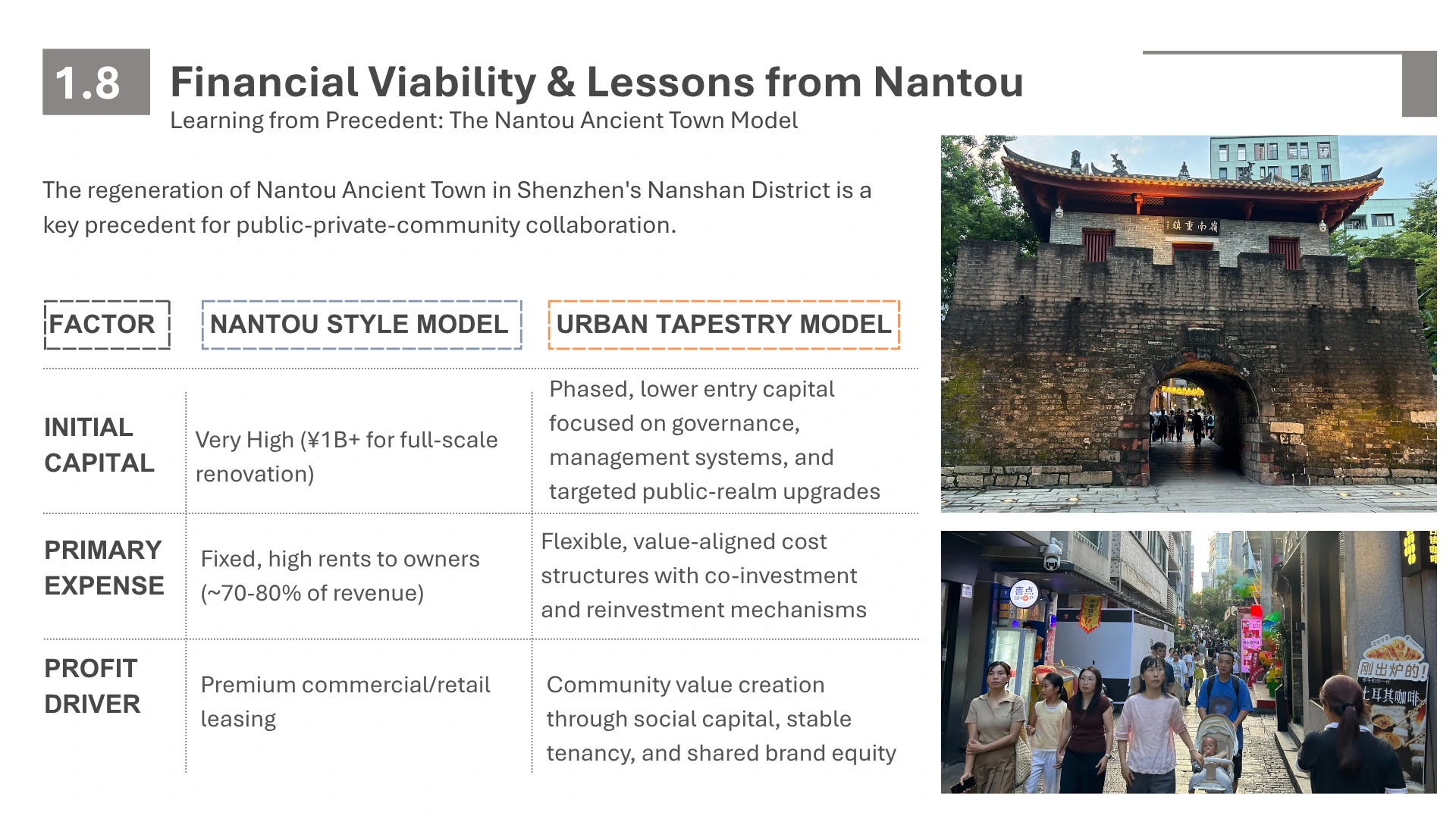
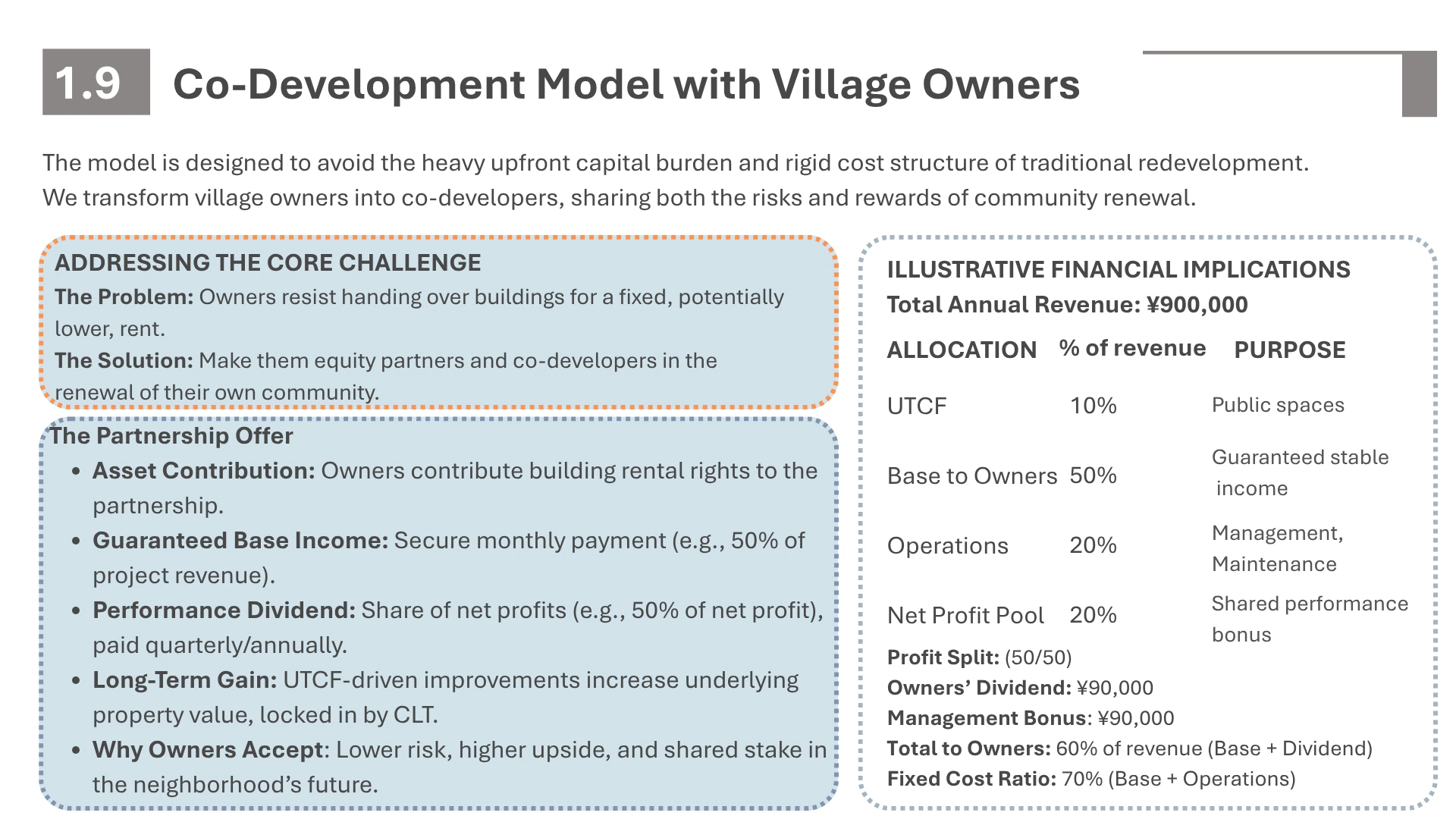
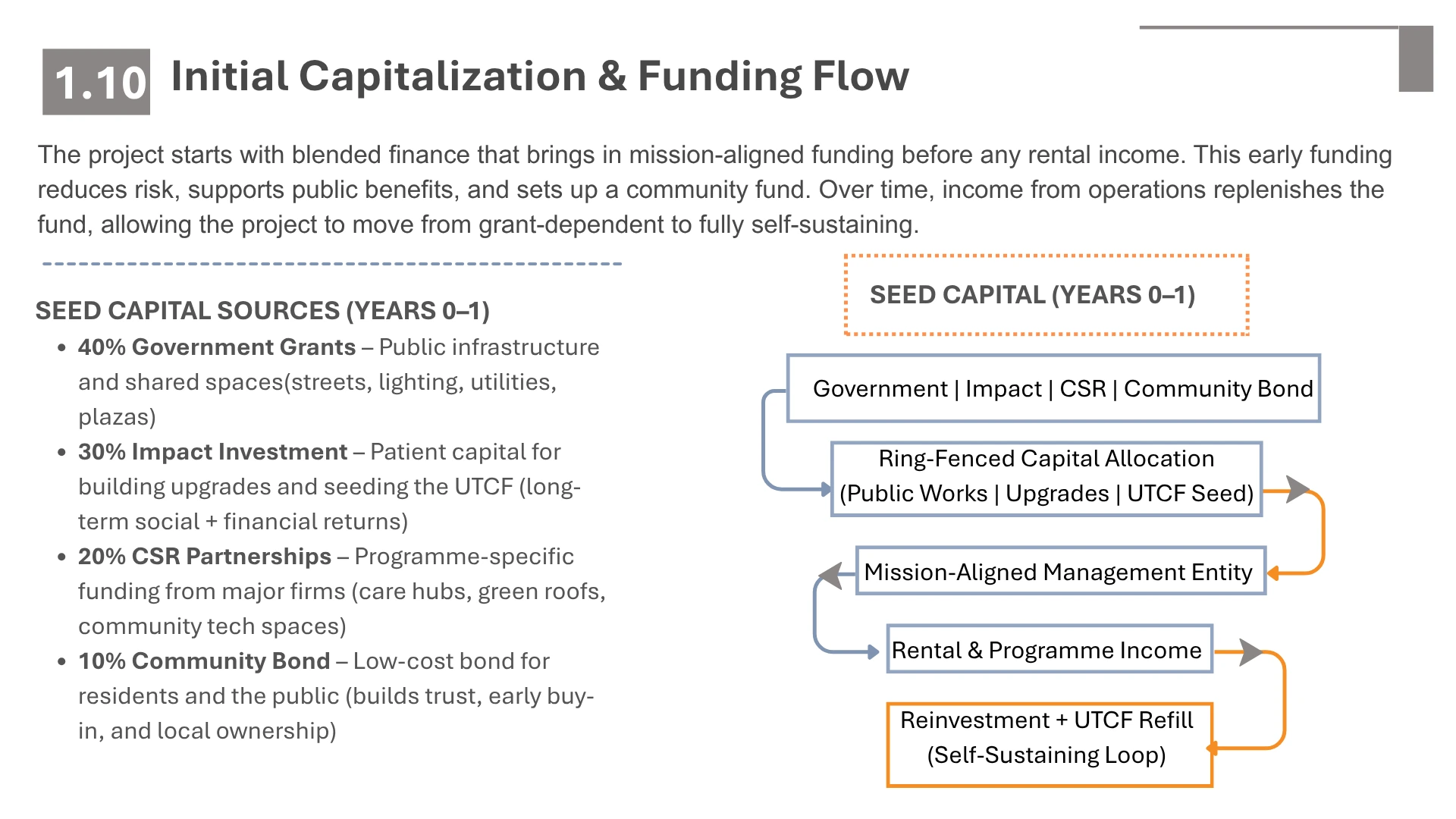
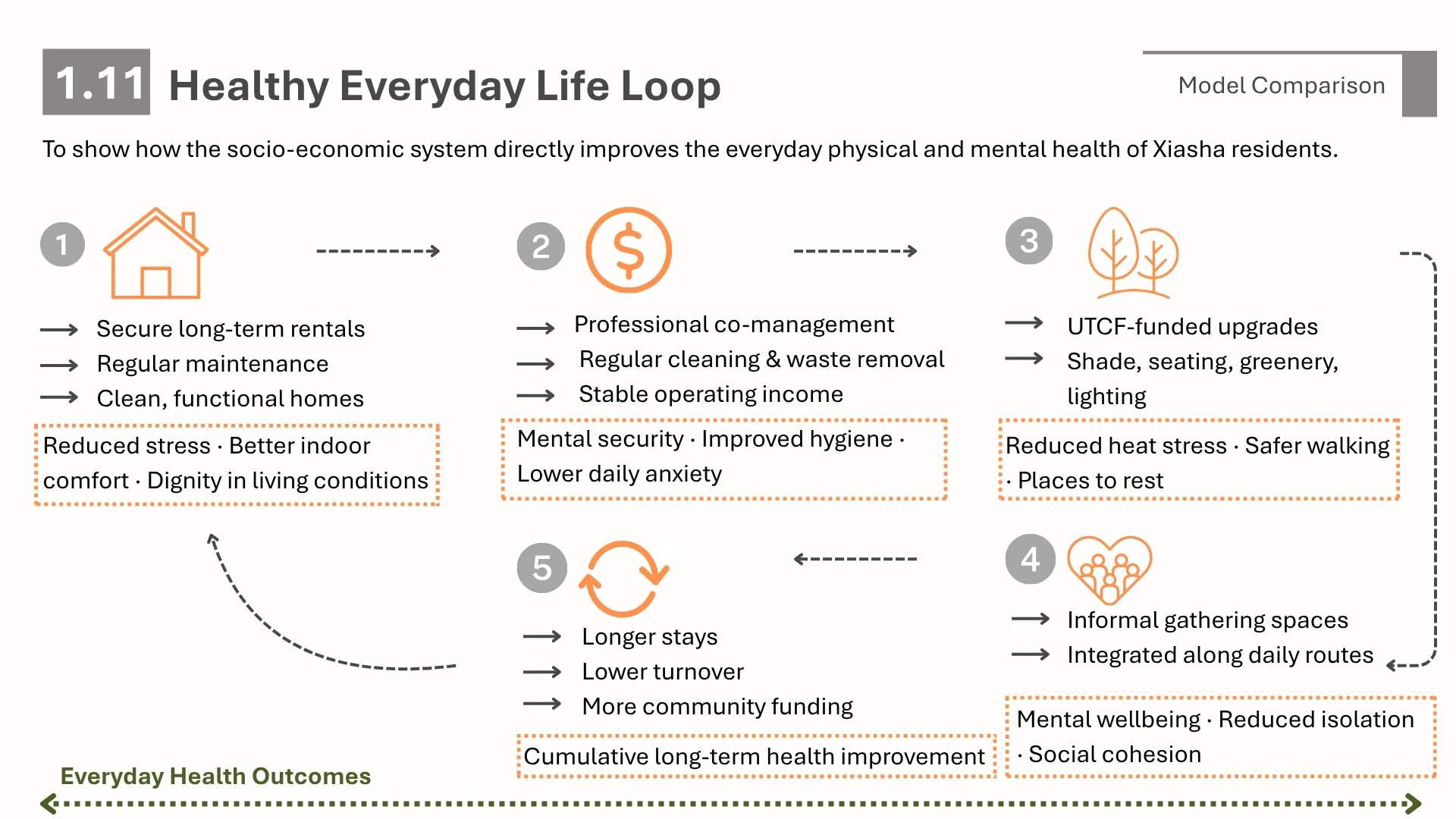
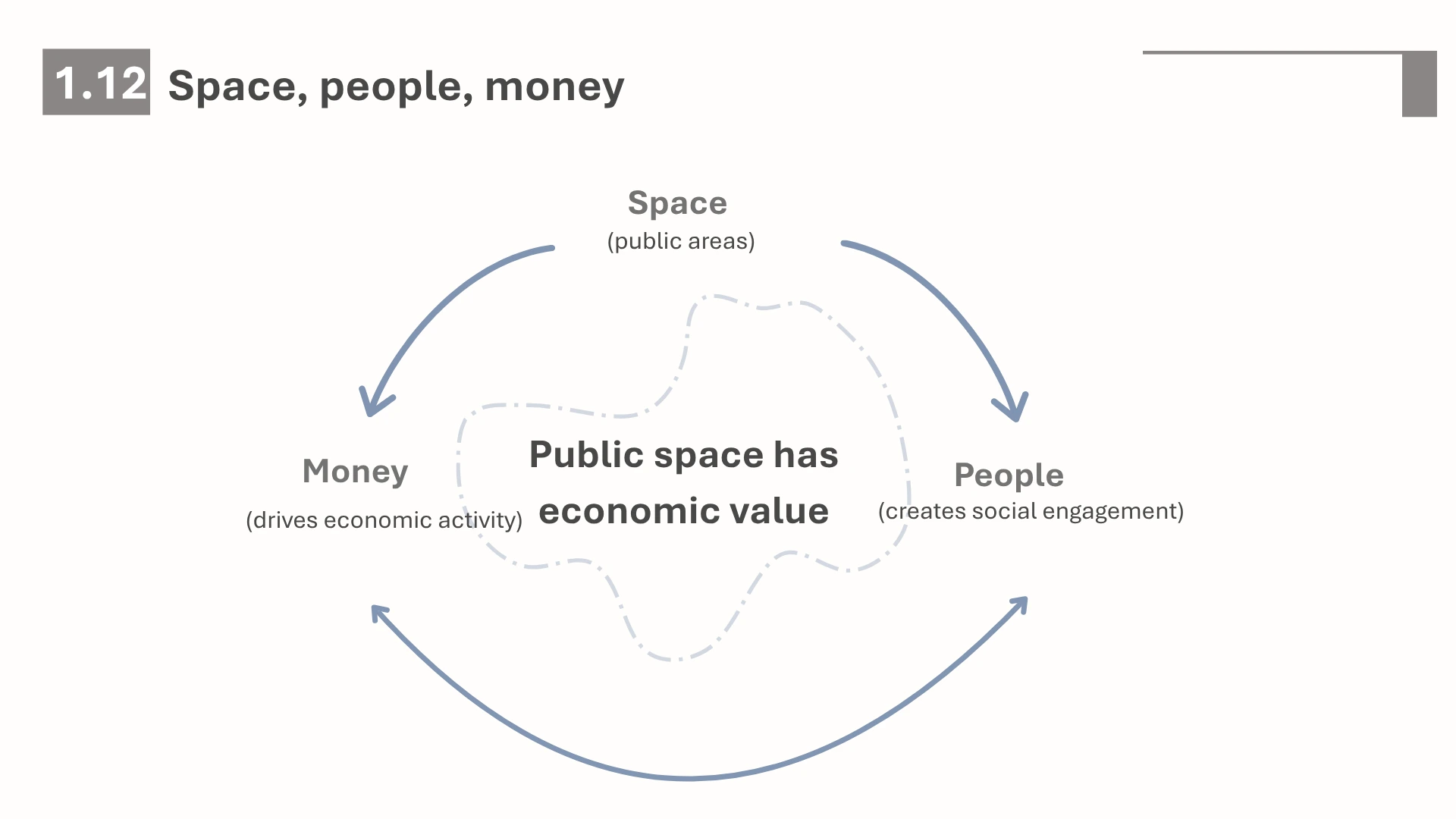
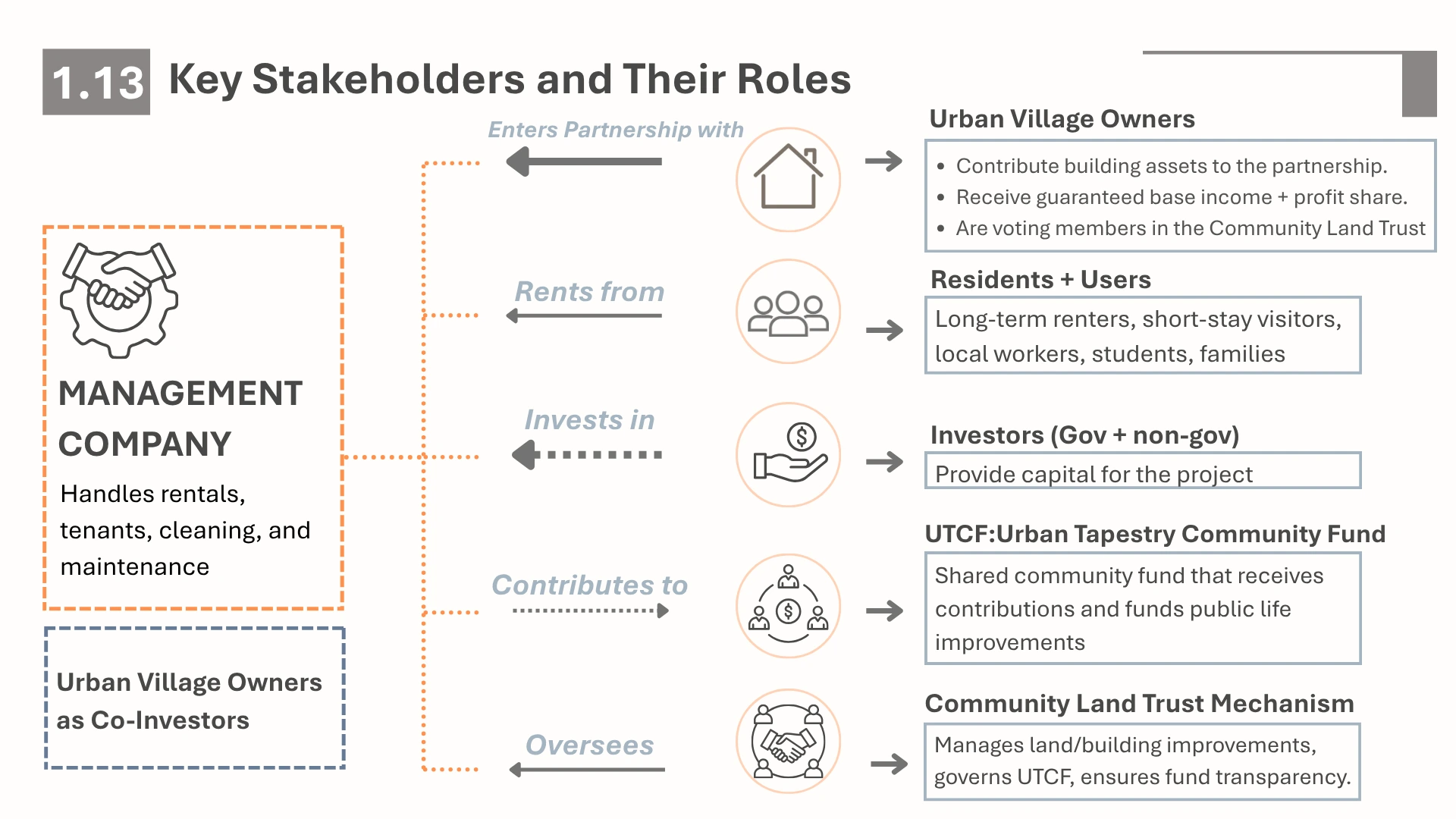
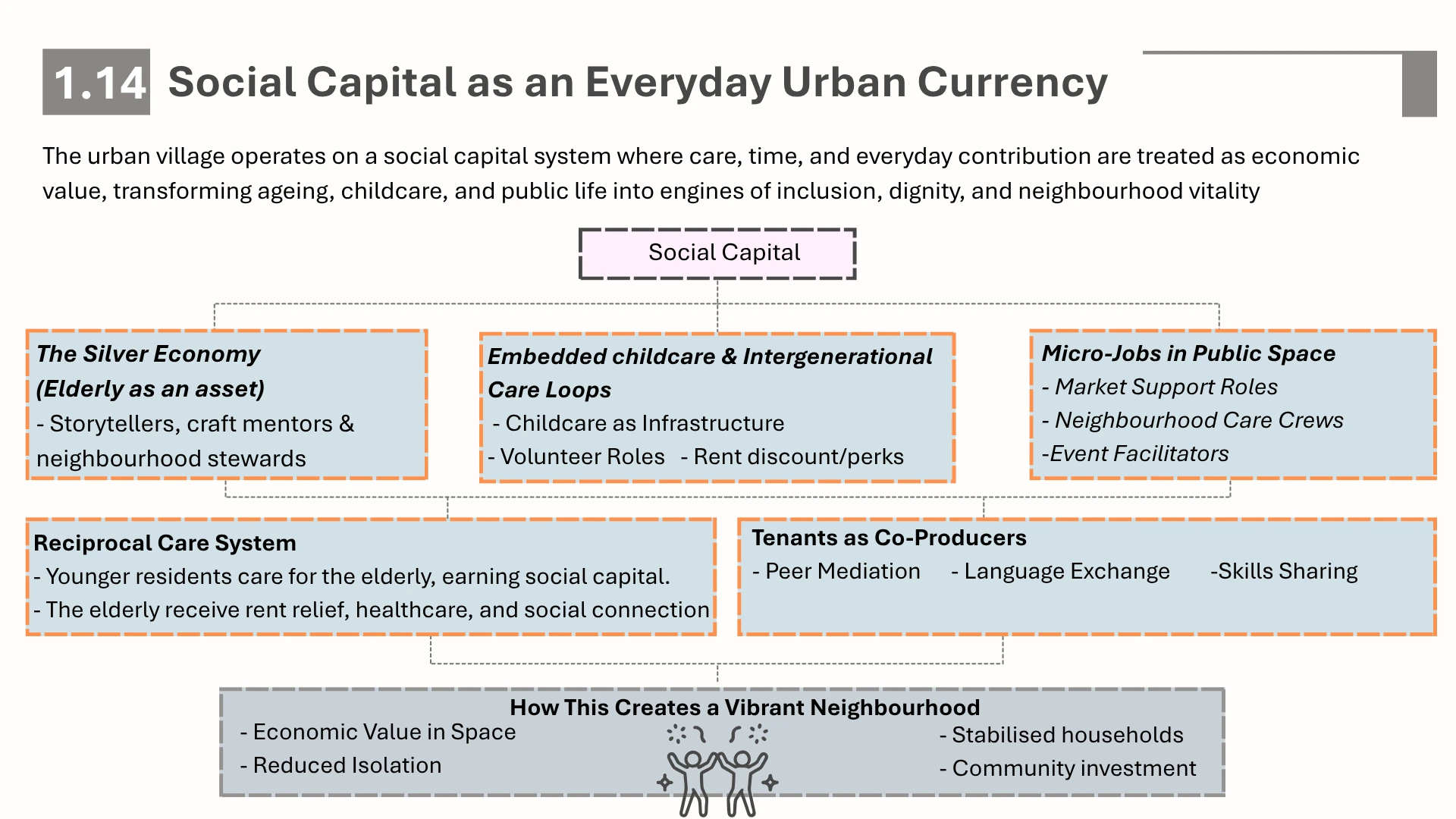
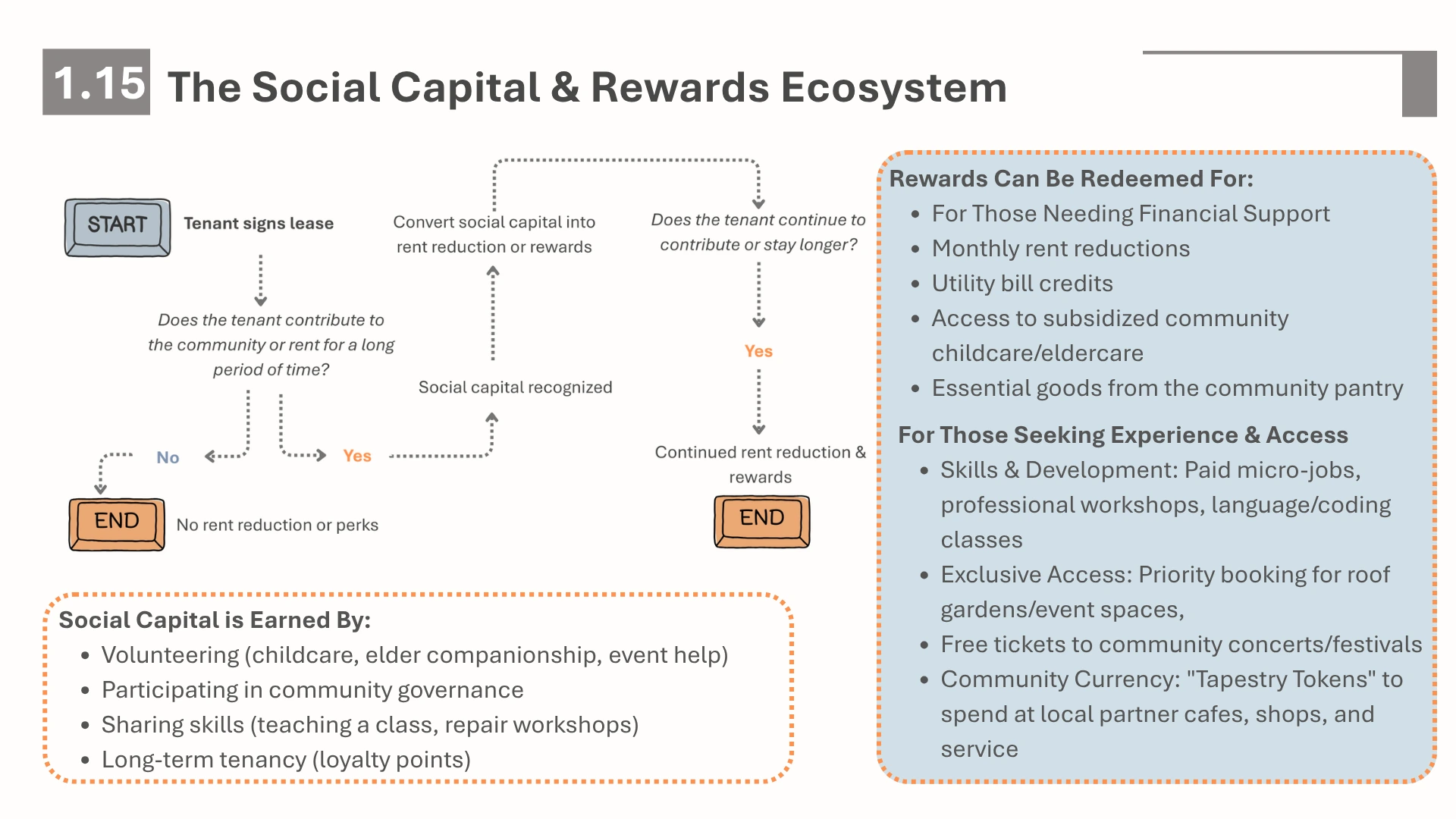
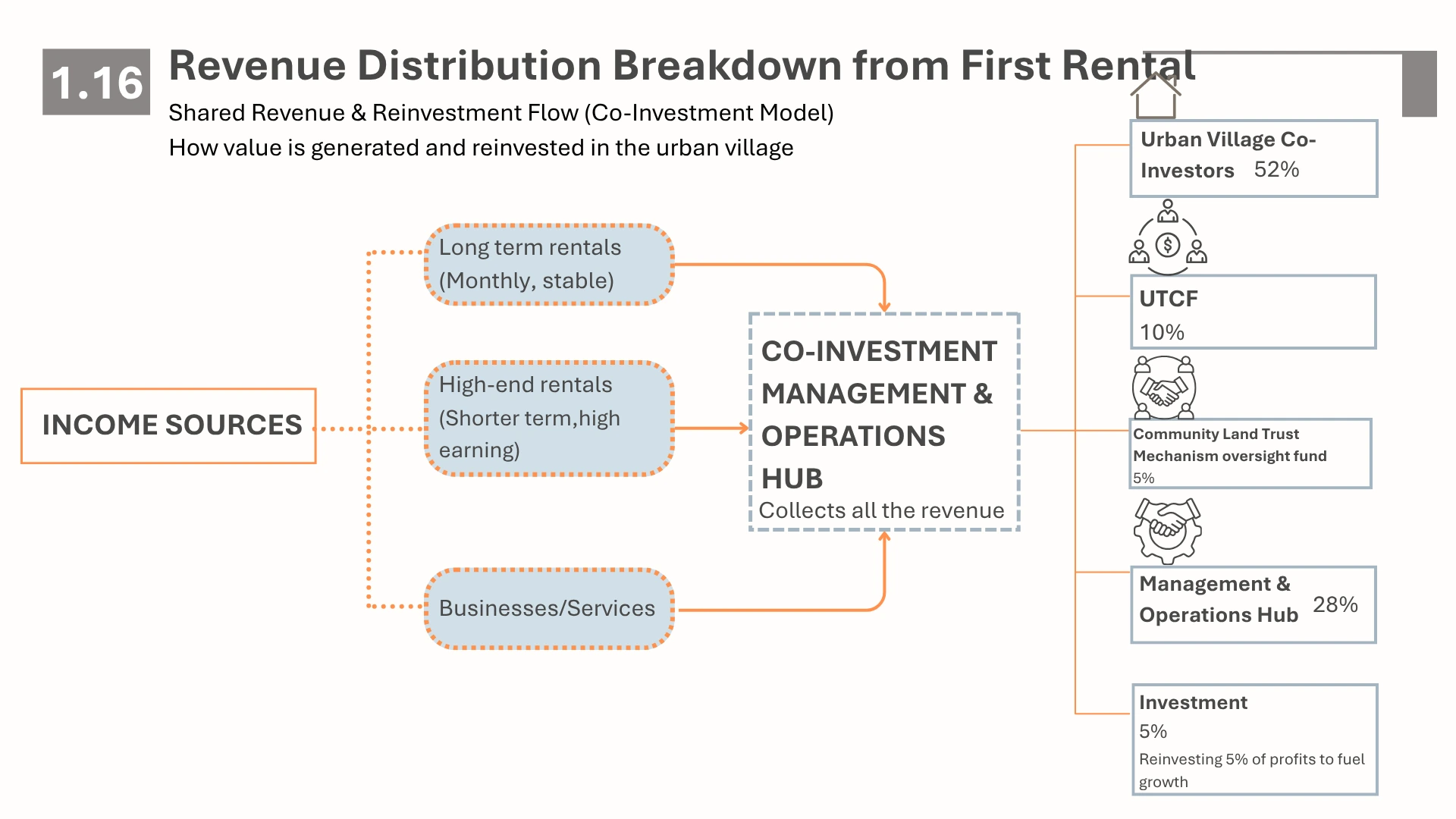
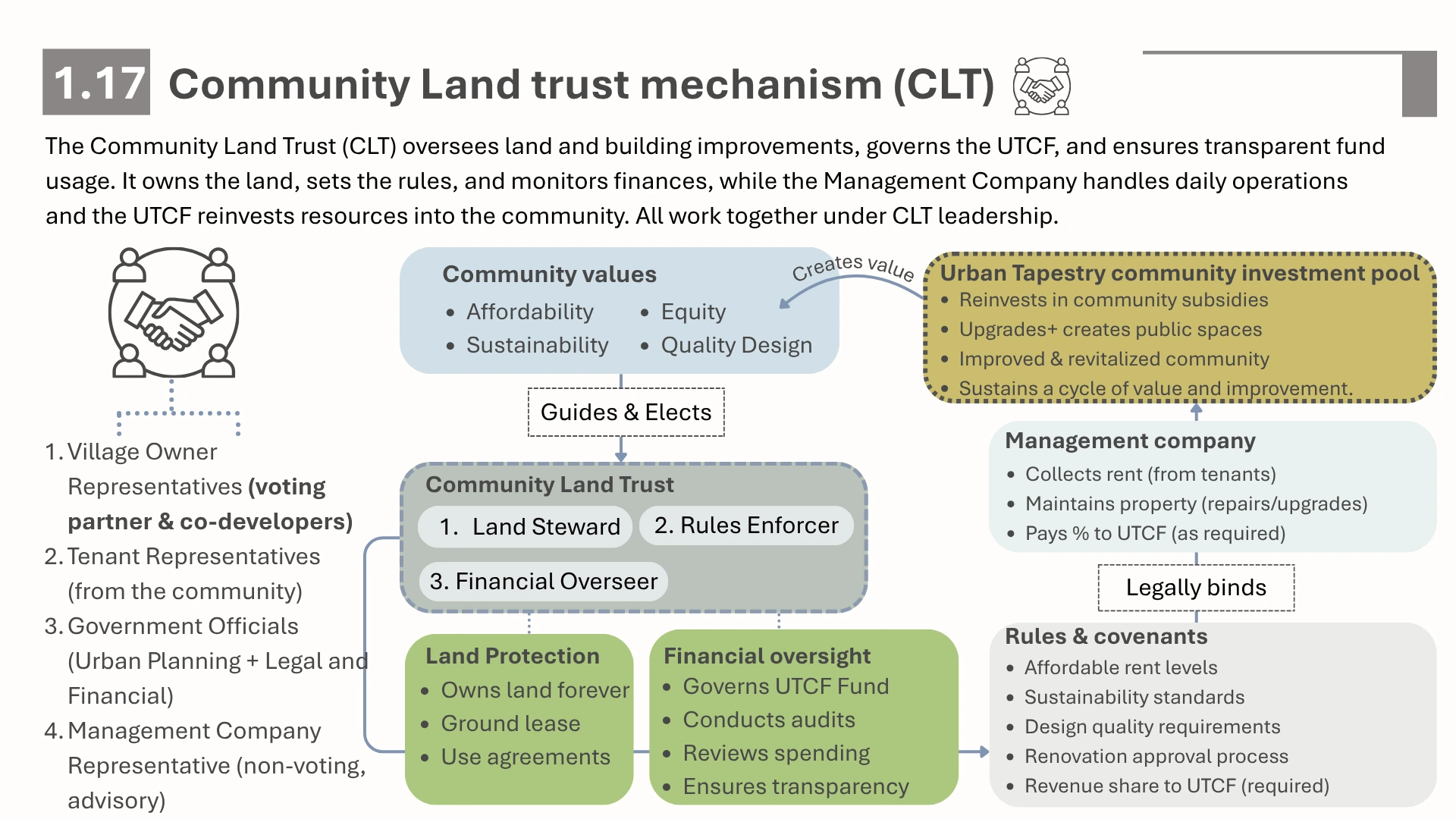
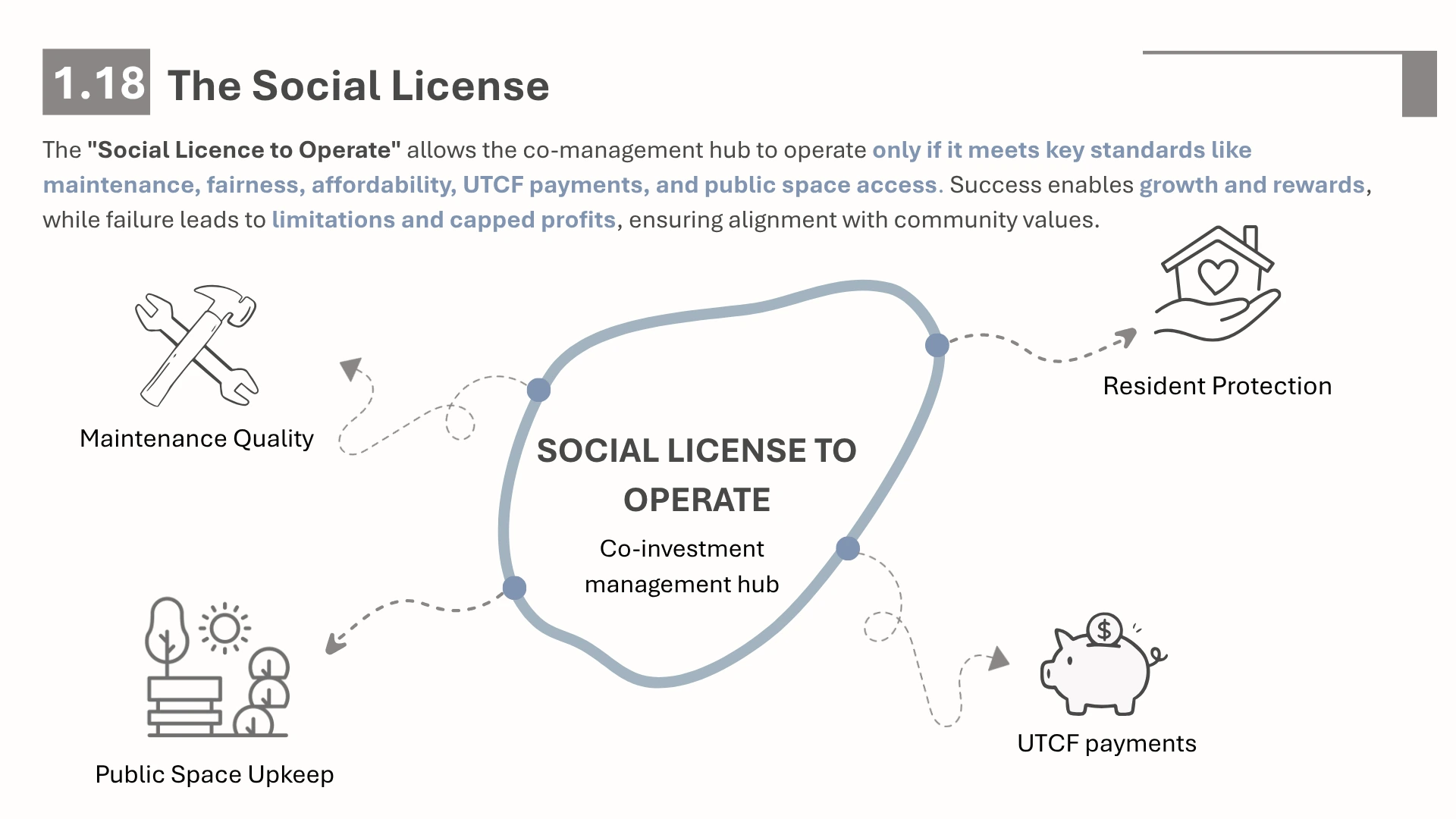
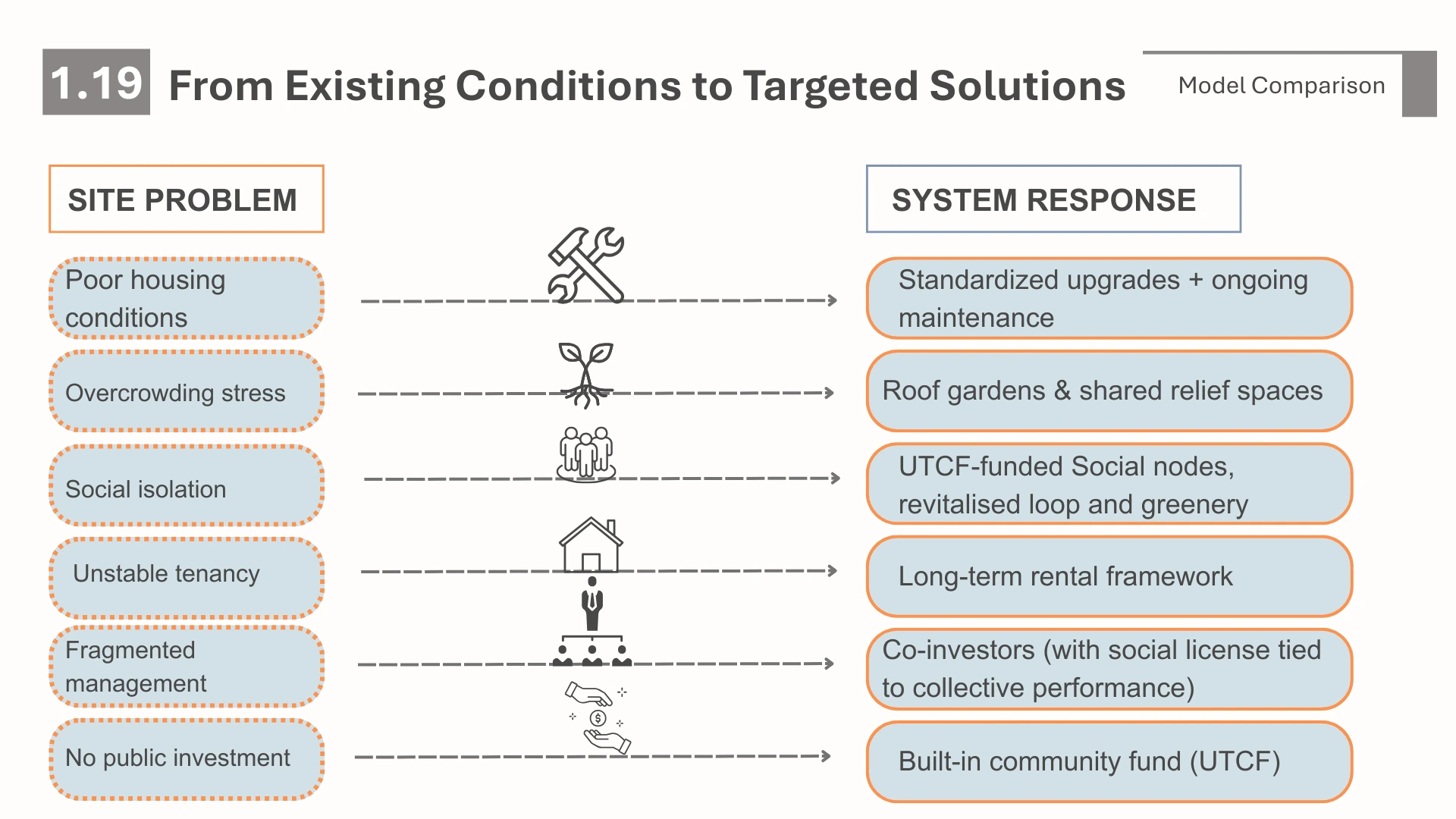
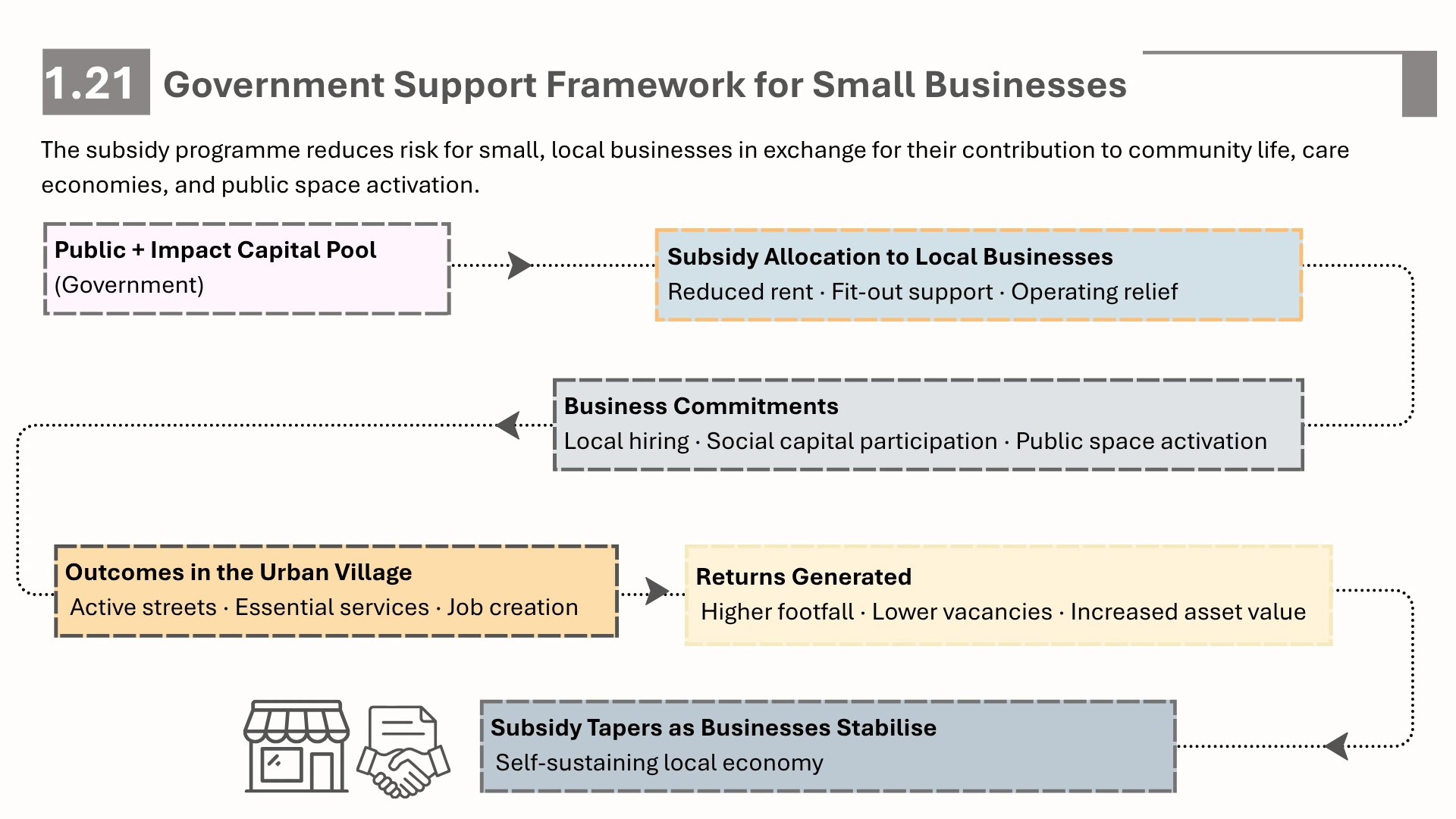
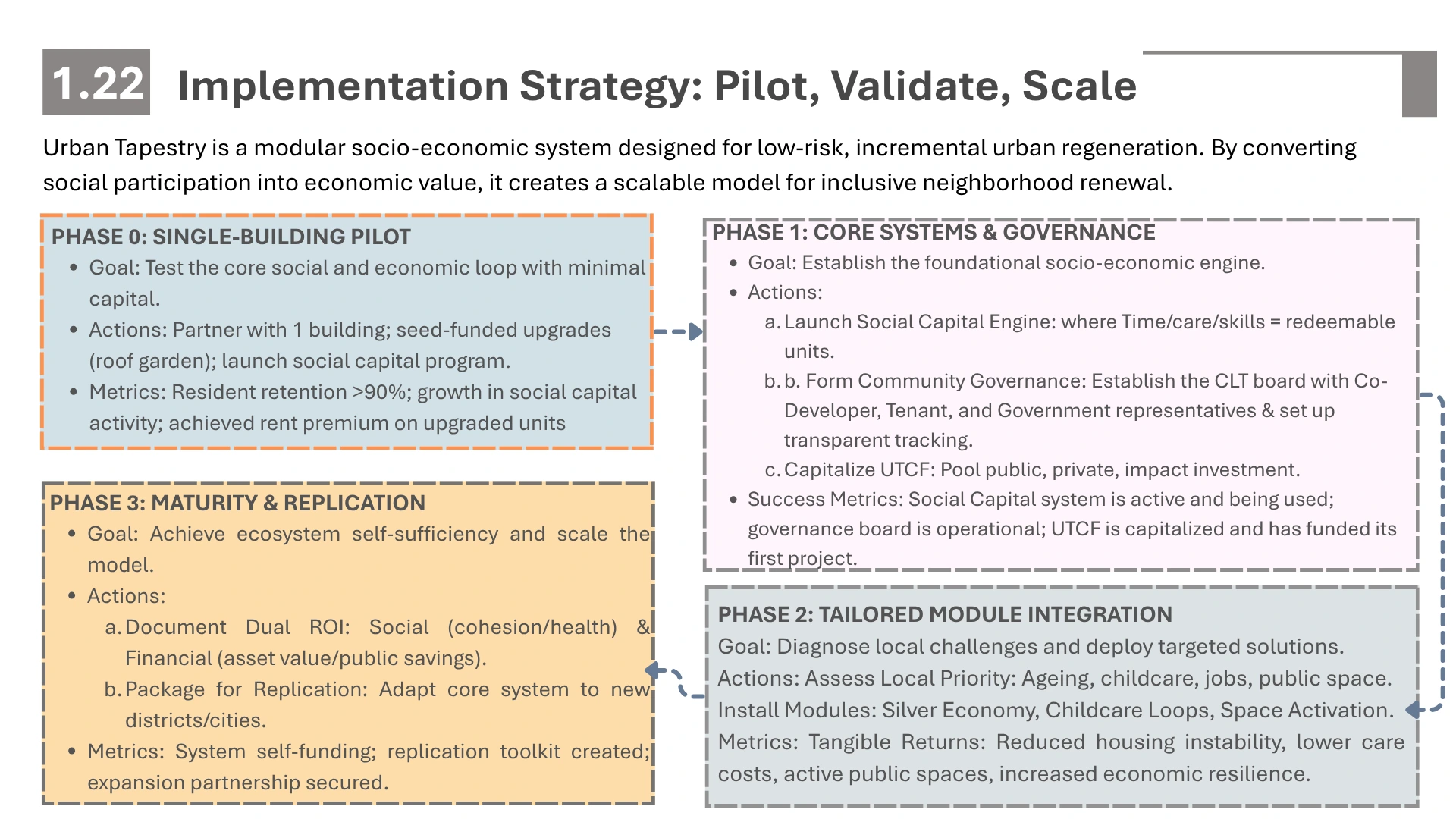
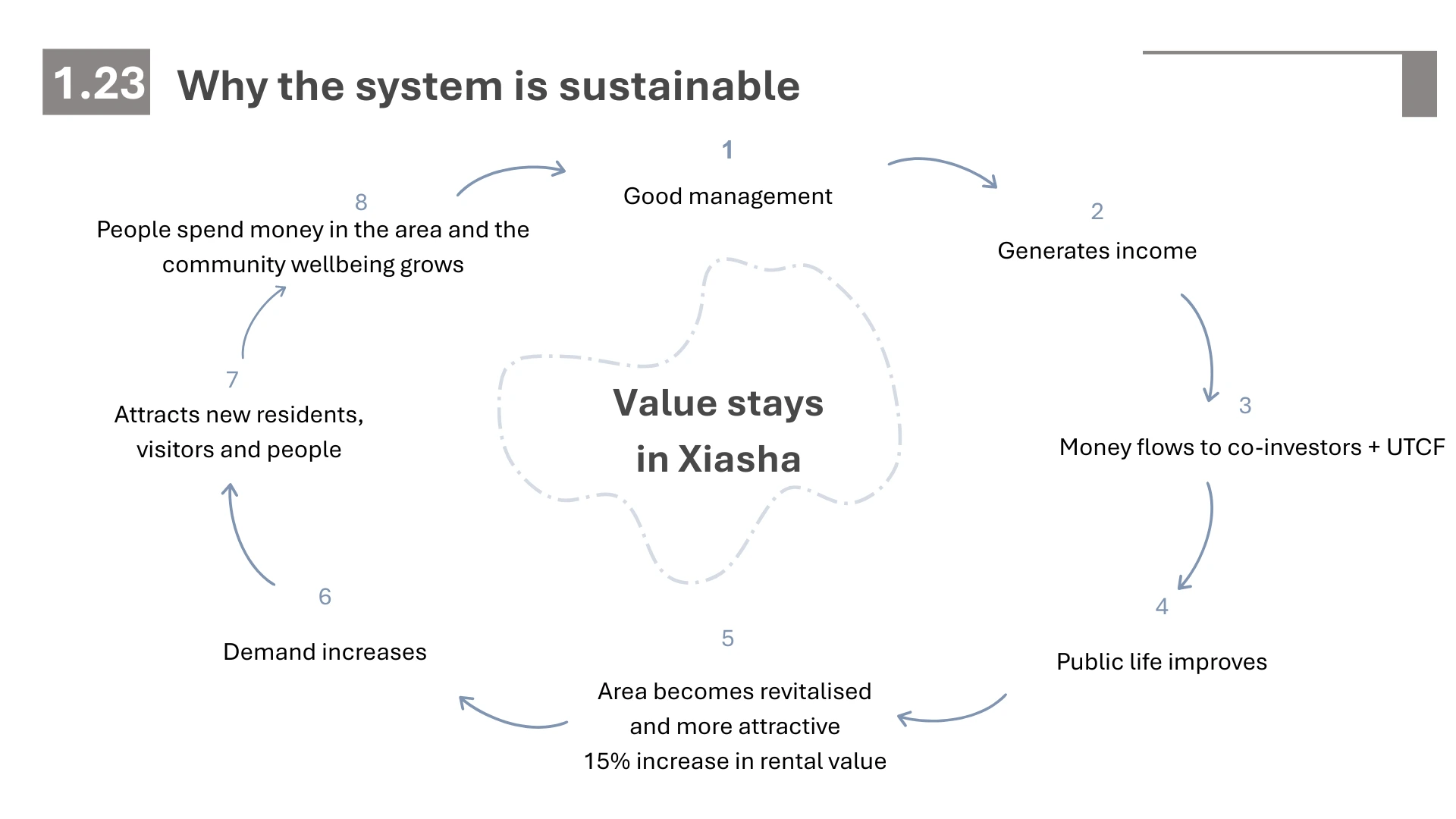
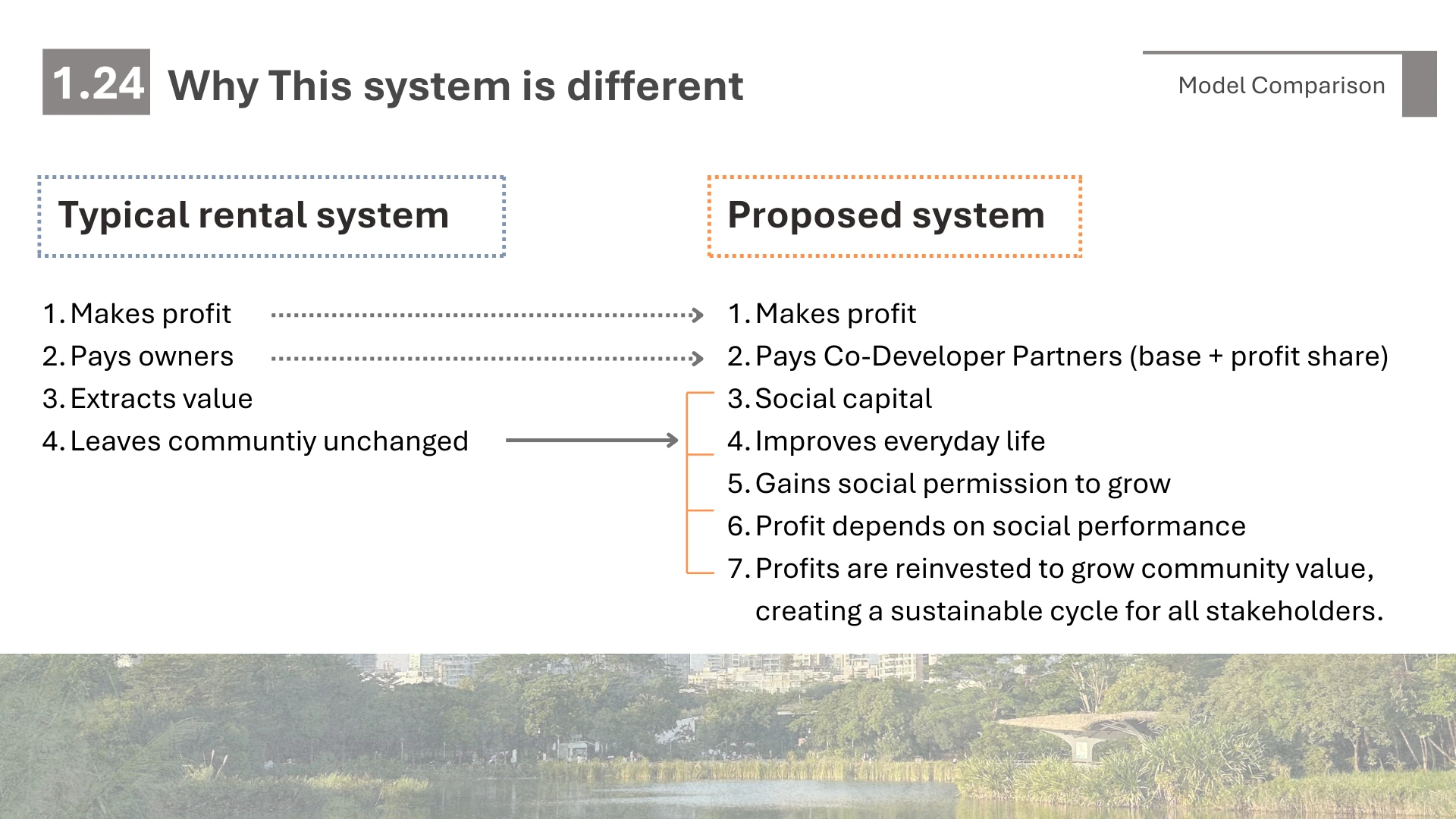
The design transforms everyday movement into opportunities for connection and belonging. At the heart of the project is a socio-economic framework focused on fostering interwoven community life, rather than prioritizing physical renewal alone. It redefines how housing, governance, and public spaces can work together to strengthen social cohesion and promote community wellbeing. Through a professionally managed long-term rental model, revenue generated within Xiasha Urban Village is reinvested into public spaces, social infrastructure, and local services. This creates a self-sustaining system of neighborhood improvement that enhances quality of life without displacing existing residents.
[ Vision Statement ]
“The design transforms everyday movement into opportunities for connection and belonging.”
[ Key Discovery ]
I learned that the most resilient urban transformations emerge when social and economic systems are redesigned alongside physical space, allowing communities to evolve without displacement.